

Death is part of life yet too often we’re afraid to talk about it. Through this series, we’ll make dying more understandable, conversation more comfortable and being present a little less frightening.
WHERE
Auckland
Venue to be announced
WHEN
May 2027
Final dates and times coming soon
TICKETS
Coming Soon
Register your interest today

DyingMatters is welcoming Dr Martha Jo Atkins to Aotearoa New Zealand to help open a conversation about dying. Together we’ll explore death and dying with clear information, compassion and room for the questions we often keep to ourselves.
Choose the events that speak to you.
Recognising Signposts of Dying
What looks like confusion is often communication. Dying people across the world use specific language and metaphors, movement, and behavior that carries meaning and follows patterns caregivers can learn to recognise. Dr. Atkins calls these Signposts.
In this session, you'll learn common signposts, what they may be telling you, and ways you can use this information to reflect, connect, and ease the energy in the room for the person who is dying and the ones who love them.
-
This session is for anyone who has sat with someone dying, expects to, or does it for their work.
-
Near the end of life, many people move in and out of different states of awareness. People around them may say, “He’s making no sense.” “She’s really confused today.”.
In this session, Dr. Martha Jo Atkins will help you recognise the language, metaphors, movements and behaviours she calls Signposts, and explore what they may be communicating.
Once you begin to recognise these signposts, being at the bedside changes. Fear gives way to curiosity. Correcting gives way to listening. The time that remains becomes time spent connecting and supporting the one leaving.
-
Dr. Martha Jo Atkins has spent 35 years learning about dying and the language that goes with it.
One story Martha shares illustrates how recognising these signposts can help families respond with understanding:
Tucked in his hospice bed and quiet for several days, Butch was uncharacteristically frowning. He placed his hands carefully in front of him so as not to spill what was in them, something only he could see. After questions, his daughter understood Butch held “machine parts” related to work he’d done earlier in his life. She brought a baggie to her father. “Put them here, Papa. I’ll make sure we don’t lose them.” The transaction complete, Butch settled in to sleep.
Dr. Atkins gave a TEDx talk on this work that has been viewed more than two million times. She is the author of Signposts of Dying, served as director of Abode Contemplative Care for the Dying in San Antonio, Texas, and in 2020, founded Dying School™.
Helping Children Learn to Say Goodbye
When someone in a family is dying, the adults often make quiet decisions for the children. She's too young. He won't understand. Better to keep them away. Those are options for sure. What if there’s another way?
Through story, photos, and video, this session shows what that looks like. You'll learn how to talk with children about dying, how to invite them in at a pace that fits them, and how to support them in grief afterward.
-
This session is for parents, grandparents, teachers, and anyone who cares for children or supports families facing a death.
If you’re unsure how to explain what’s happening, answer a child’s questions, or help them say goodbye, this session offers ways to approach those moments with honesty and care.
-
Children notice when something is changing. When they're left out, they may fill the silence with their own fears. When they're included with honesty and care, they can say goodbye in ways that stay with them for life.
In this session, you’ll explore how to give children a way into what’s happening, guided by their questions, curiosity, and willingness to take part. This might include helping with caregiving or participating in the rituals that follow a death, supported by the adults and community around them.
You’ll learn how to invite children in at a pace that fits them, while making room for their feelings and supporting them in grief afterward.
-
Dr. Martha Jo Atkins has spent her career helping families and communities navigate death and dying, grief and loss. She believes children usually understand more than we think, and that what they need most is a way in.
The following story from Martha’s work offers an example of what including children can look like:
Sean, a guest at Abode Contemplative Care for the Dying, was pleased his 11 year old son and nine year old daughter were coming to visit. The difficulty: Sean and his wife, overwhelmed with their situation, had not shared that Sean was dying. After much discussion, their mom and I sat outside with them under the evening sky to talk about what was ahead. Emotions were rightly strong and held with love. A few days later when their father died, the children, fully included in the process, helped lead an impromptu good-bye ceremony before their dad’s body was taken from the hospice house.
— Martha Jo Atkins
This story connects to a central question in the session: how can adults help children understand what’s happening and find their own way to say goodbye? Through examples like this, Martha will explore how honest conversations and opportunities to participate can help children feel included and supported.
Martha began her career as a child life specialist in pediatric intensive care units and later founded the Children's Bereavement Center of South Texas. These experiences inform the stories and approaches she brings to this session.
She comes to Aotearoa New Zealand from the United States, aware that she carries an American lens and eager to learn how children and families are included in dying and mourning here.
Let’s Talk About Dying: The Deeper Conversation
With Dr. Martha Jo Atkins and Colleagues
Some people keep their distance from dying. They change the subject. They look away. Some of us walk toward it. We want to understand what happens. We want to know how to help. And under that, quieter, is the question we don't always say out loud: what will happen to me?
This day and a half workshops gives you time and space to explore death and dying. Through stories, discussion, and practical exercises, you’ll consider your own beliefs about dying, learn from people approaching the end of life, and explore how to stay present with someone who is dying.
-
This workshop is for people who want to understand dying before they meet it, whether through supporting someone else or considering their own end of life.
While you will be invited to consider past losses, this is not a grief workshop. If someone you love has died within the last six months, please consider before registering whether you feel able to engage with this work in a meaningful way.
-
We’ll begin with what you already believe about dying and death, and how you got here. You’ll be invited to consider whether those beliefs still fit you and make room for the ones that could change.
Then we’ll look at dying as it actually happens, including the thresholds between living with an illness that is not curable but can be treated, and reaching a point where it can no longer be treated.
Through the experiences of people approaching the end of life, you’ll explore the feelings, questions, and decisions that can arise. You’ll hear from Anne about feeling ready to go on some days and having so much she still wants to do on others. You’ll hear from Glee about her dreams, her fears around telling her grandchildren about her cancer diagnosis, and her decision not to pursue treatment.
We’ll also explore deathbed visions, shared death experiences, and how to come alongside someone who is no longer talking. Together, we’ll consider what presence and connection can look like, sound like, and feel like for the person who is dying and the people who love them.
-
You’ll learn through film, photos, and recorded words from people at different stages of end of life, who agreed to be your teachers long before May 2027. Their experiences offer a way to explore dying through the people living it.
This is adult education for the mind and the body. You’ll be invited to consider: What do you fear? What do you assume? How have other people ‘done dying’, and what can you learn from them? What does your body do when you imagine sitting beside someone who is dying?
We’ll practise somatic grounding, the work of staying steady in yourself so you can stay in the room. These exercises connect what you’re learning to how you might respond when supporting someone at the end of life.
We will hold the serious nature of dying seriously in some moments, gently always, and with humour when warranted, because dying is about wholeness, including more than sadness and endings.
-
This workshop offers space to develop your understanding of dying, explore your own responses, and practise staying present with someone at the end of life.
Past participants in Dying School™ experiences describe having more confidence, more curiosity, and less fear around dying.
People often tell Martha Jo that they came to learn about dying and left thinking about how they want to live. Alongside what you learn about supporting others, you may find yourself considering what matters to you and how you want to spend your own life.
-
Dr. Martha Jo Atkins is an end-of-life counsellor and teacher who has worked around dying, death, and grief for 35 years. Her work informs the stories, questions, and practices you’ll explore throughout this workshop.
She is the founder of Dying School™, the author of Signposts of Dying, and the creator of the Map of Dying™. Her TEDx talk on dying has been viewed more than two million times. She has a small private counselling practice in San Antonio, Texas, and teaches internationally about dying and meaningful living.
Martha Jo will be joined by Dying School facilitators. Together with participants, they will create a supportive space for experiential learning, where you can explore your beliefs, ask questions, and practise being present with the experiences of dying.
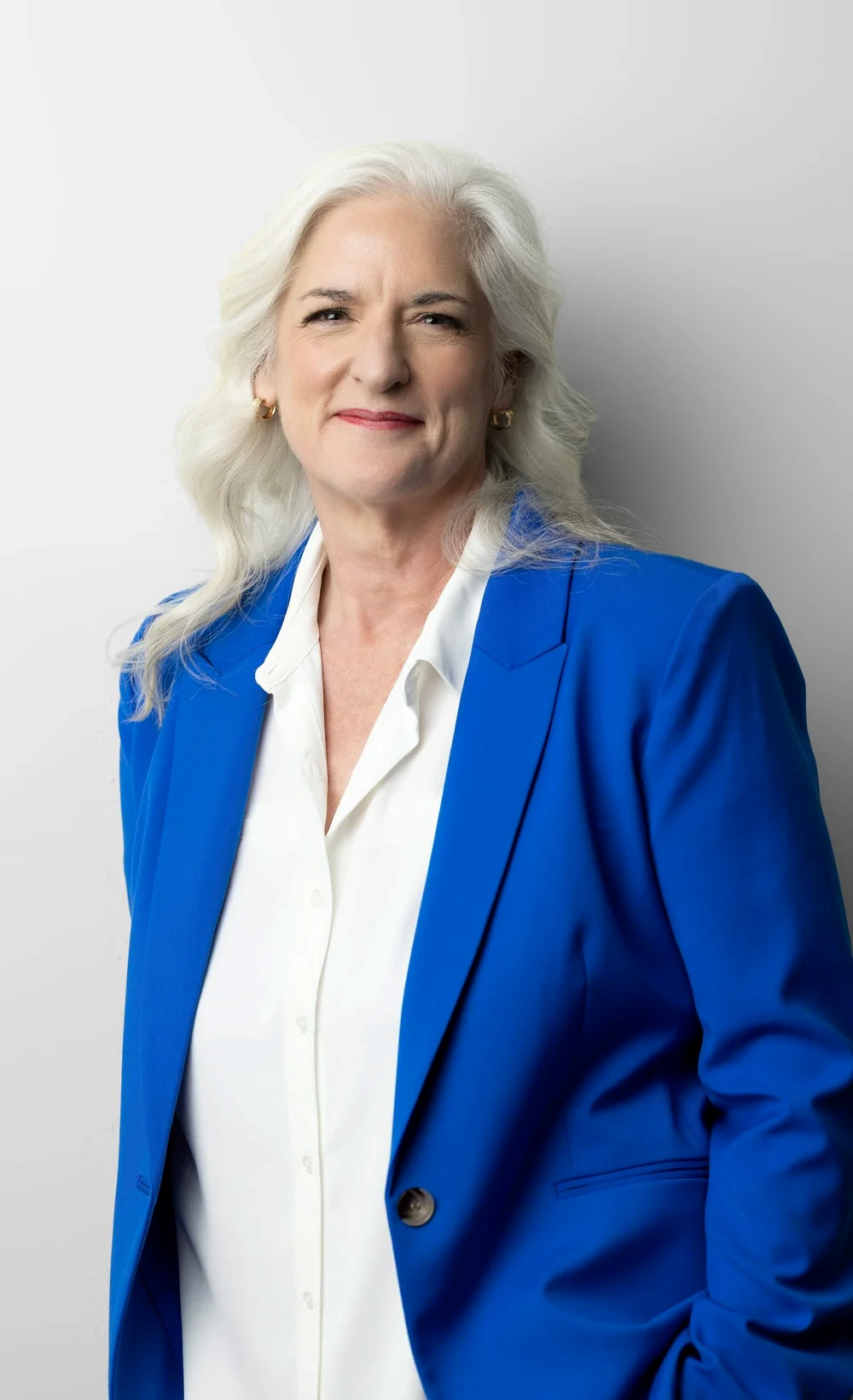
Dr Martha Jo Atkins
Dr Martha Jo Atkins is a teacher, author, speaker and death doula who helps people better understand dying and the experiences around it.
Her early work in children’s hospitals and years supporting bereaved children and families shaped her compassionate, direct approach. She is the author of Signposts of Dying, developed the Map of Dying™ and leads Dying School™.
She brings decades of experience, storytelling and practical insight to conversations many of us have never been taught how to have.

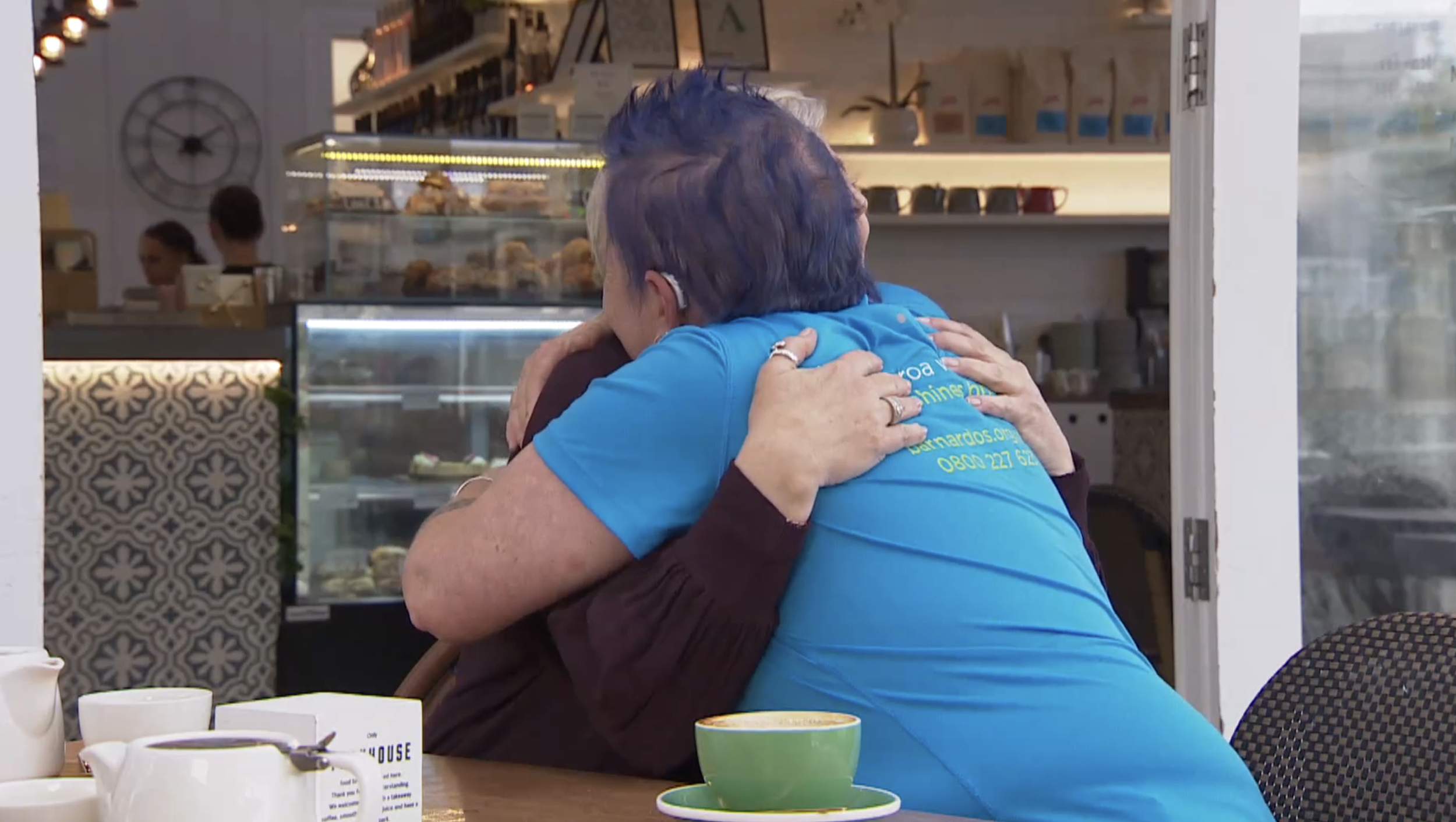
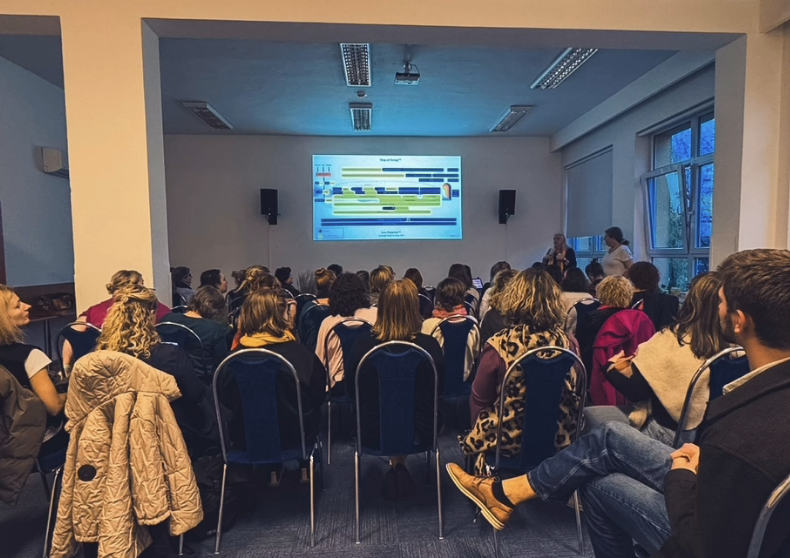
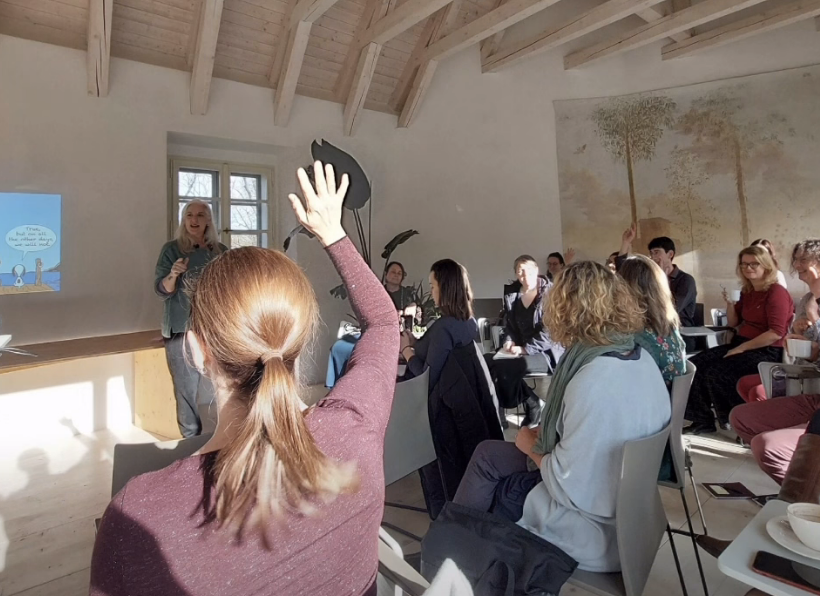
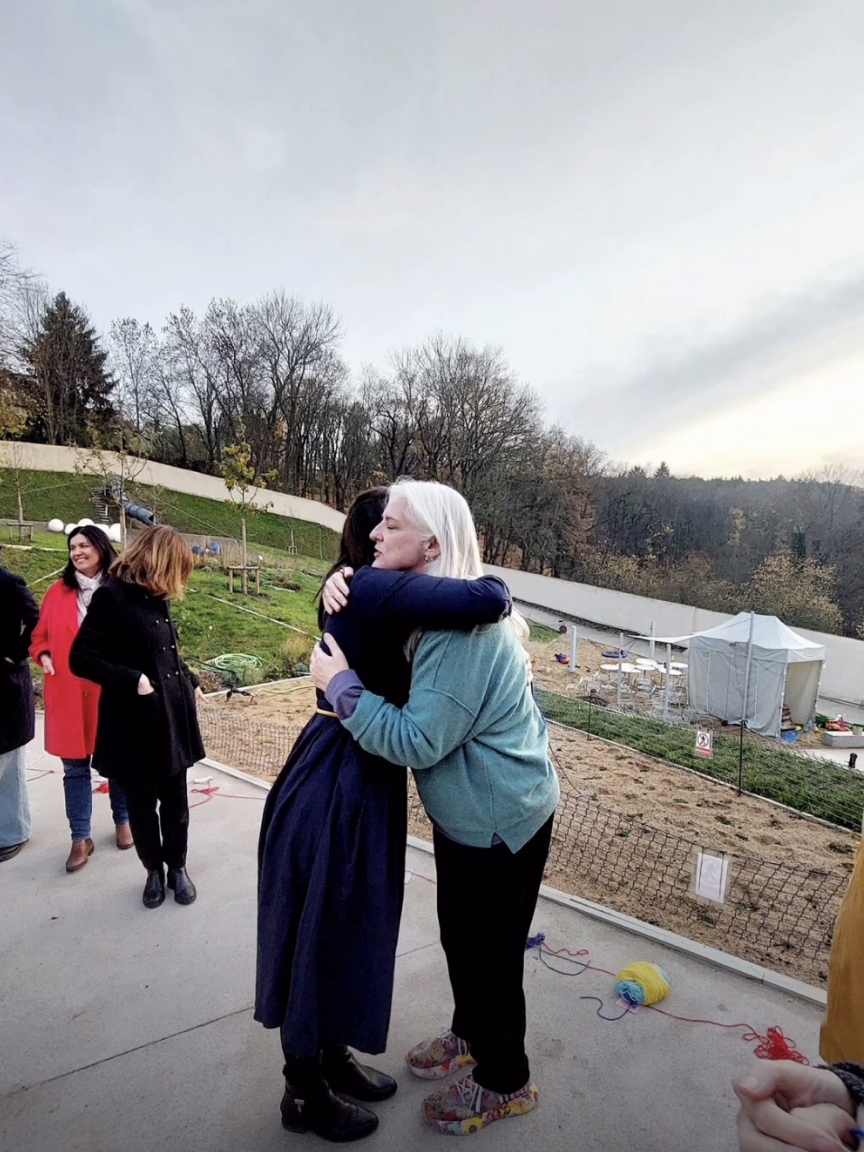
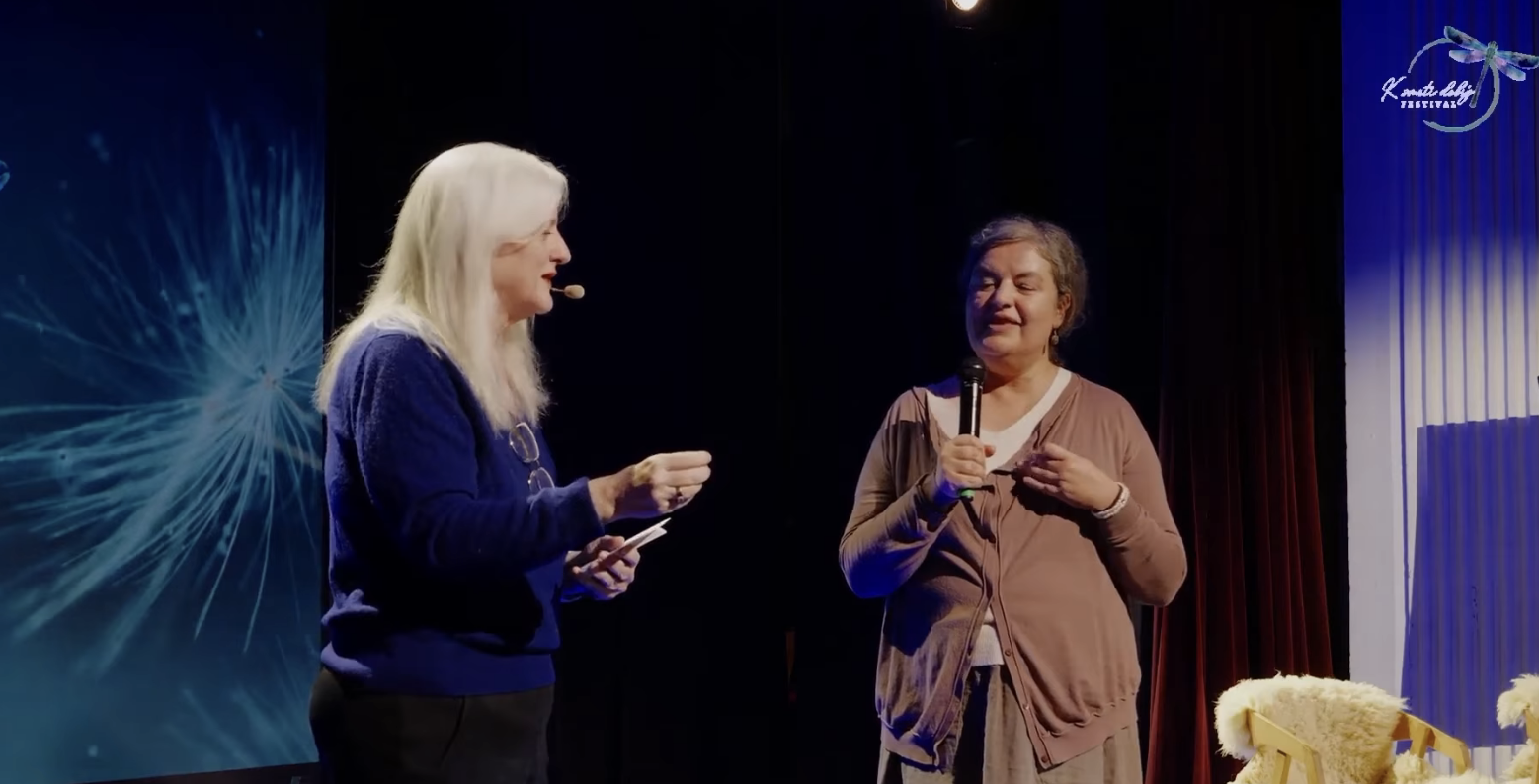
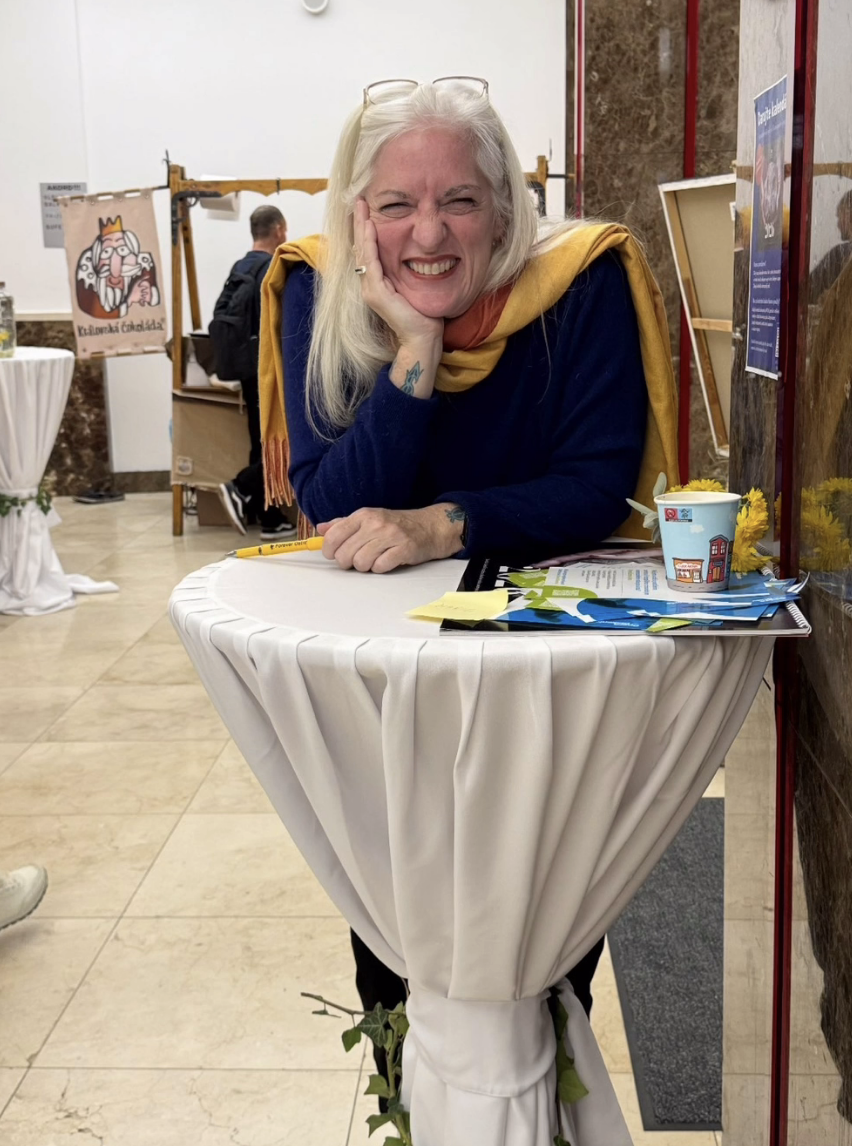
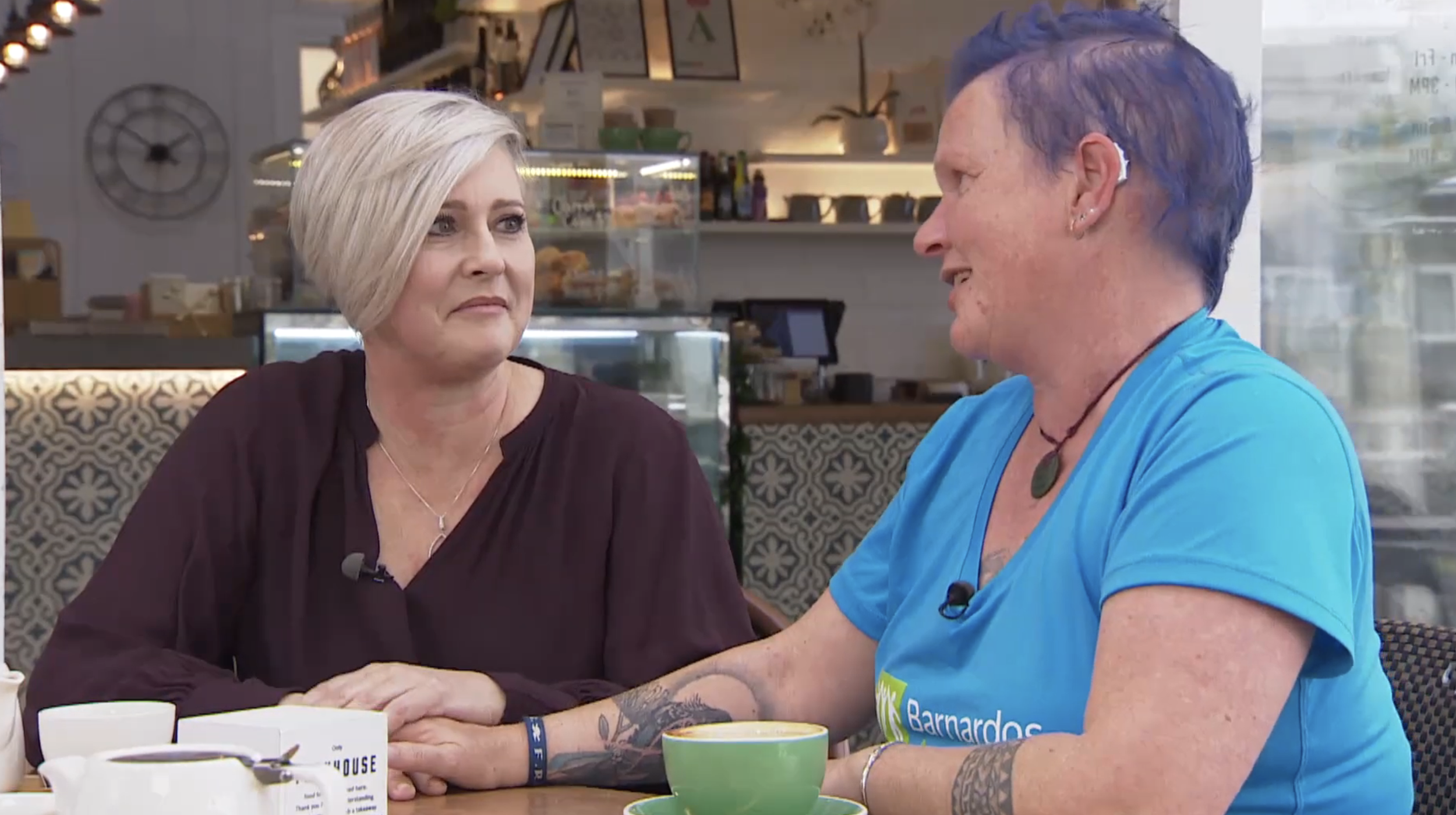
Moments from past conversations and events
BE THE FIRST TO HEAR MORE
Register your interest now.
Register your interest and DyingMatters will share the confirmed dates, programme and ticket information when they’re ready. Whether you’re considering coming for yourself or sharing the event with others we’ll keep you in the loop.

Frequently Asked Questions
-
Everyone is welcome. The programme will be relevant to individuals and families, caregivers, death doulas, health and palliative care teams, counsellors, social workers, chaplains, funeral professionals, aged care providers and anyone wanting to feel more informed and less afraid around death and dying.
-
Absolutely. Each event can be attended on its own, or you are welcome to come to as many as you like. Every session will explore different content, so there will be something new to learn at each one.
-
The 90-minute sessions offer an accessible introduction to specific topics, with information, storytelling and time for questions.
The day-and-a-half programme provides a deeper, more immersive learning experience. It allows more time to explore Martha Jo’s work, practical tools and approaches in greater detail, with opportunities for discussion and reflection. -
No. You are welcome to simply listen and take in the experience. There will be opportunities for questions and discussion at every event, with taking part always being your choice.
-
Not yet. Register your interest and we’ll email you when the programme and ticket details are announced. Signing up doesn’t reserve a place or commit you to buying a ticket.